The Rise of Distributed Solar: Mini-Grids and Microenergy Systems
Solar & Renewable Energy
Energy production is shifting away from large, distant power plants toward smaller systems built closer to where electricity is actually used. Distributed solar is at the center of this change. Instead of relying on miles of transmission lines, power is generated locally, consumed locally, and managed within a defined area. This model reduces energy loss, improves reliability, and gives communities more control over how electricity is produced and shared.
Mini-grids and microenergy systems are no longer niche solutions reserved for remote locations. They are becoming realistic options for neighborhoods, commercial sites, campuses, and even individual properties that want greater independence from traditional utilities.
What Distributed Solar Systems Really Are
Distributed solar refers to energy systems that generate electricity near the point of use rather than at centralized facilities. These systems rely on solar panels supported by batteries, control electronics, and sometimes backup generators.
Microenergy Systems Explained
A microenergy system usually serves a single structure or a small cluster of buildings. These setups are often used for homes, farms, remote facilities, or small businesses that want partial or full independence from the main grid.
Their scale allows for simpler management, but the responsibility for maintenance and performance falls entirely on the owner.
Mini-Grids at the Community Level
Mini-grids operate on a larger scale and are designed to power multiple users within a defined area. This could include:
- Small residential communities
- Commercial or industrial complexes
- Campuses or mixed-use developments
These systems function as independent local grids. They distribute power internally and continue operating even if the main utility grid experiences an outage.
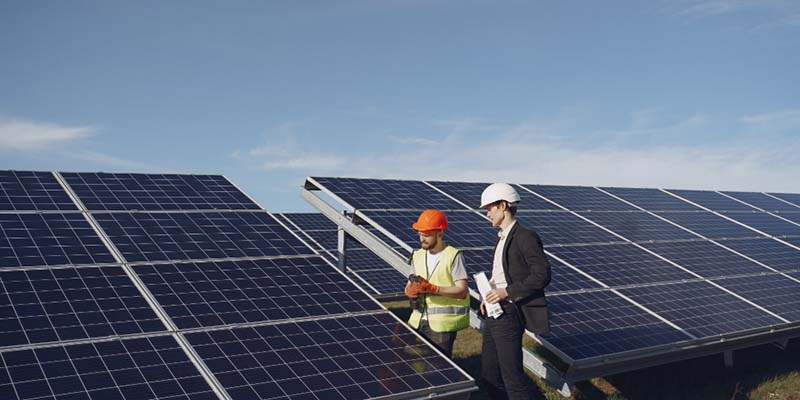
Why Distributed Solar Is Gaining Momentum
The traditional grid depends on centralized infrastructure that can fail at a single point and affect thousands of users. Distributed systems reduce that vulnerability.
Built-In Resilience
When a major transmission line goes down, centralized systems collapse across wide regions. Local solar networks remain functional because they are not dependent on distant infrastructure. This makes them especially attractive in areas prone to storms or unstable grid conditions.
Control Shifts to the Local Level
Distributed solar places decision-making closer to the user. Communities or property owners manage:
- Energy production
- Storage priorities
- Maintenance schedules
- Usage patterns
This control increases accountability but also demands a higher level of planning and involvement.
Planning for a Decentralized Solar System
Successful deployment starts with understanding how energy is actually used daily.
Load Profiles and Usage Timing
A load profile shows when electricity demand peaks during a typical day. This information determines the size of the solar array and, more importantly, the battery bank.
Systems that use most of their energy after sunset rely heavily on storage, which increases cost and complexity. Daytime-focused operations can draw power directly from the panels, reducing the need for large batteries.
Site Conditions and Geography
Solar performance depends heavily on placement and exposure. Even partial shading can significantly reduce output.
Key planning factors include:
- Annual sunlight availability in the region
- Roof or land space for panel placement
- Seasonal changes in sun angle
- Proximity of trees or nearby structures
Professional assessments often use modeling tools to predict how shading and seasonal variation will affect long-term production.
Cost Structure of Distributed Energy Systems
One of the defining traits of distributed solar is the front-loaded cost. Most of the expense occurs before the system produces its first watt.
Hardware and Installation Costs
Mini-grid projects range widely in price depending on size and reliability goals. Systems designed to serve multiple users or provide uninterrupted power require more robust components and redundancy.
Battery storage typically represents the largest portion of the budget. Modern systems favor Lithium Iron Phosphate batteries because they balance safety with long service life.
Planning for Battery Replacement
While solar panels often last decades, batteries have a shorter lifespan. Most will need replacement within ten to fifteen years, even under ideal conditions. This future cost must be included in any realistic financial plan.
Soft Costs That Add Up
Beyond equipment, projects also incur expenses related to:
- Electrical design and engineering
- Permits and inspections
- Legal agreements for shared energy use
- Specialized labor
In community systems, administrative and legal costs can rival the price of the panels themselves.
Core Technical Components of a Mini-Grid
Distributed systems rely on several key components working together seamlessly.
Solar Panels and Inverters
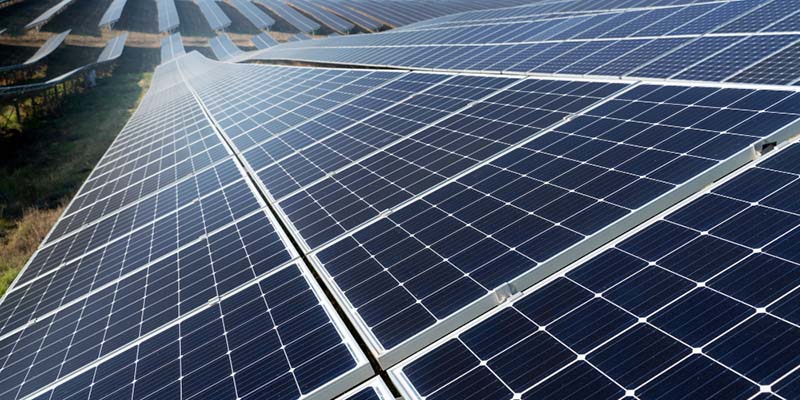
Panels generate DC electricity, but most appliances require AC power. Inverters handle this conversion and regulate how energy flows through the system.
Hybrid inverters are common in mini-grids because they can manage input from multiple sources at once.
Battery Systems and Controls
Battery banks store excess energy for later use. Their performance and safety depend on integrated monitoring and control systems.
Essential elements include:
- Charge controllers to regulate input
- Battery management systems to monitor cell health
- Protective disconnects and breakers
These components prevent overcharging, overheating, and premature battery failure.
Monitoring and Data Access
Real-time monitoring allows users to track production, consumption, and storage levels. This visibility is critical for managing energy responsibly and avoiding system overloads.
Scaling Limitations and Expansion Challenges
Distributed solar systems do not scale smoothly in small increments. Adding capacity often triggers the need for upgraded wiring, controllers, or inverters.
Because of this, systems are usually designed slightly larger than current needs. This approach reduces the cost and disruption of future expansion.
DIY, Community-Led, and Professional Approaches
The feasibility of self-installation depends on system size and complexity.
Small DIY Systems
Single-building systems for cabins or outbuildings can often be installed by knowledgeable individuals using modular kits. These setups typically power lighting, electronics, and small appliances.
Community and Multi-User Systems
As soon as multiple households or high-voltage equipment are involved, professional design becomes essential. These systems require coordination, defined responsibilities, and long-term management plans.
Without clear ownership and maintenance schedules, community systems risk early failure.
Common Performance Issues and Misconceptions
Distributed solar systems are durable, but they are not maintenance-free.
Panel and Inverter Maintenance
Dust, debris, and environmental buildup can reduce panel output significantly. Inverters also rely on cooling systems that must be kept clean to prevent overheating.
Battery Usage Habits
Consistently draining batteries to extremely low levels shortens their lifespan. Users must adapt their habits to align energy-intensive tasks with peak solar production.
Living with distributed solar often means planning activities around daylight availability.
Safety and Regulatory Considerations
Distributed energy systems operate at voltages and current levels that require specialized safety measures.
Electrical Safety
Solar arrays generate high-voltage DC power, which behaves differently from household AC electricity. Proper grounding, DC-rated breakers, and secure enclosures are non-negotiable.
Regulatory Barriers
Local regulations can determine whether a project moves forward at all. Interconnection rules, zoning laws, and safety standards vary widely and must be addressed early in the planning process.
Realistic Expectations for Distributed Solar
Distributed solar offers resilience, autonomy, and predictable energy costs, but it is not a passive investment. These systems function as small power plants that require oversight, maintenance, and long-term planning. When approached with discipline and realistic expectations, mini-grids and microenergy systems become durable assets rather than technical liabilities.
Share this article:
Recommended For You

Most Viewed

ADVERTISEMENT